Perinatal Mental Health
Globally, 85% of women* give birth before the age of 44. What factors impact wellbeing during pregnancy and following childbirth? At the DAS lab we are working on research to answer this question.
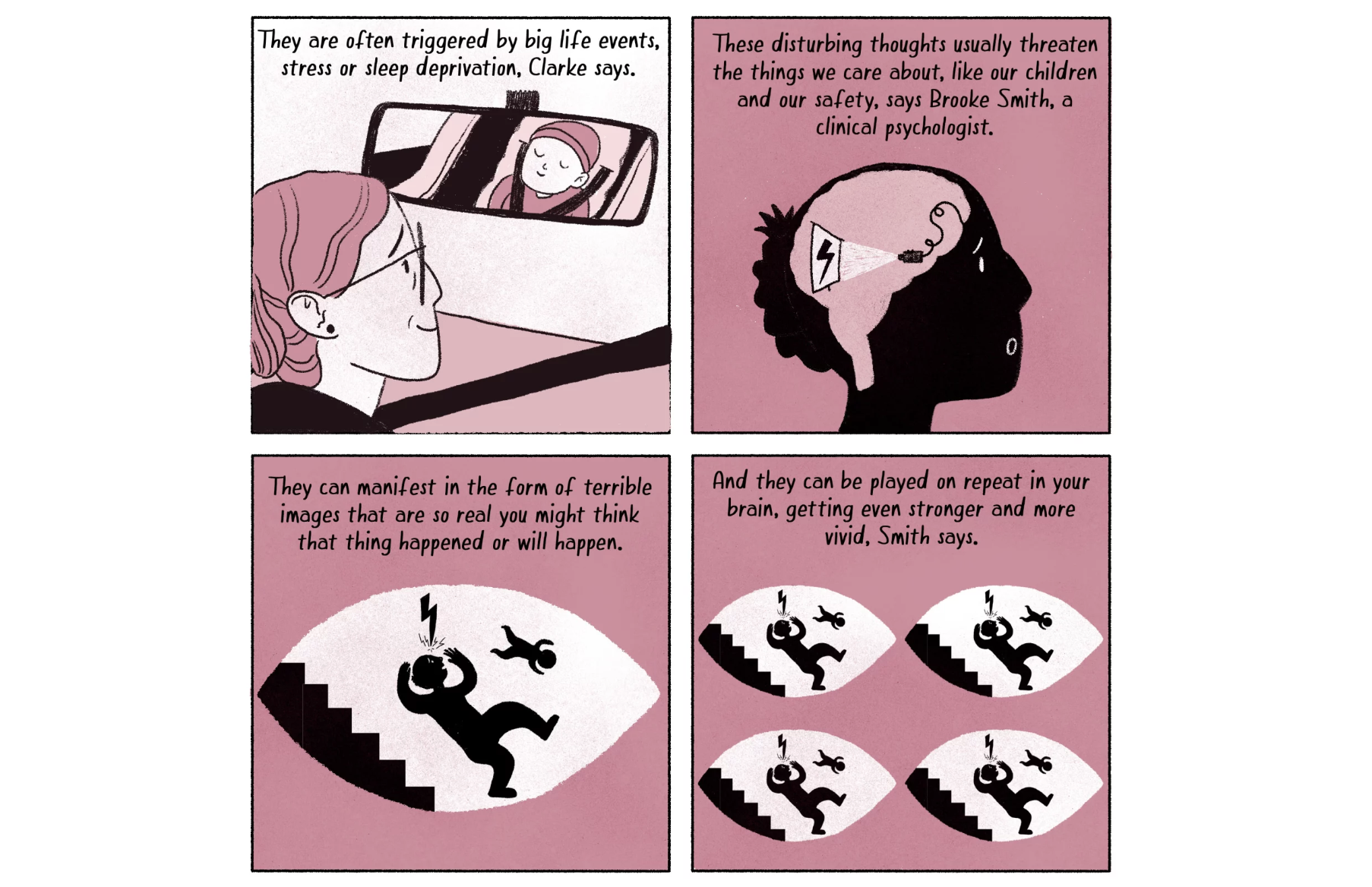
Our research is using a range of methods (including, questionnaires, video analyses, hormone measures) to assess factors that impact maternal mental wellbeing during pregnancy and after childbirth. We are seeking to understand which psychological (including thinking styles, memories, and the common experience of having unwanted thoughts of harm coming to your child) and biological (including hormone levels) factors promote or reduce mothers’ mental wellbeing during the perinatal period.
Learning about these factors can help us support birthing people better during this important life phase.
*In this section we refer to women for parsimony of language. We acknowledge and include birthing people of all genders.


What is the Perinatal Period?
The perinatal period is the period in a women’s life that includes pregnancy, childbirth as well as the postpartum period (the months following childbirth).
Note, that in this definition we use the term woman to refer to individuals who were female-assigned-at-birth and who have the reproductive capacity to gestate and give birth to children.
Perinatal News